What Should a Child Know Before Entering Preschool, and More Questions Answered!

Submitted by KiasuEditor
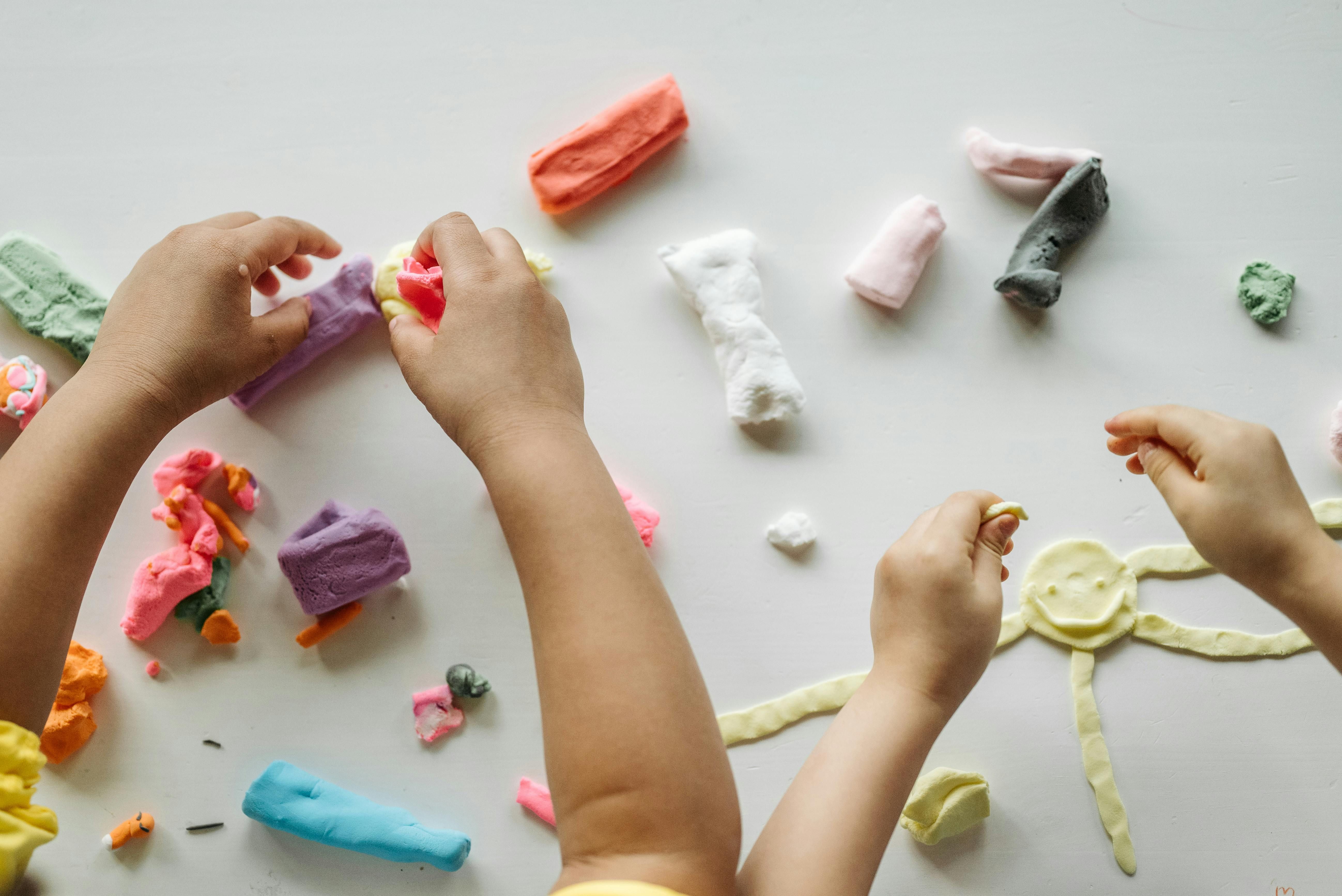
For many parents, preschool represents a quiet turning point. On one hand, there is the practical question of preparing a child for primary school: learning to listen, follow routines, and build early language and numeracy skills. On the other, there is a sense of reluctance about ending what feels like a carefree stage of childhood, and a lingering guilt about sending young children into a structured school environment too early.
In Singapore, preschool is often viewed through the lens of readiness for primary school, which can lead parents to worry about whether their child should already be reading, spelling, or counting before they start. However, this should not be the focus of early childhood education. Quality preschool programmes are designed to support children’s social, emotional, and cognitive development through play, interaction, and everyday routines.
Below, we look at what preschools in Singapore teach, whether there’s a need to find preschools that “prepare for Primary 1,” and what preschool readiness really means for young children.
What do they teach in preschool?
What will kids learn in preschool, and will this prepare them for primary school?
If you’re considering Ministry of Education (MOE) Kindergartens, you can check their Nurturing Early Learners framework. These are some of the academic learning outcomes:
English Language
- Listen for enjoyment and information
- Speak with confidence to convey meaning
- Read with enjoyment and understanding
- Use symbols, letter-like shapes, letters, and words with invented and conventional spelling to communicate ideas and information
Mother Tongue Language (MTL)
- Enjoy and show an interest in learning the MTL
- Develop foundational language and literacy skills in the MTL
- Develop an awareness of their local ethnic culture
Numeracy
- Enjoy learning and using numeracy concepts and skills in daily experiences
- Understand relationships and patterns
- Develop counting skills and number sense
- Understand basic shapes and spatial concepts
For other types of preschools, you will have to visit their websites or book a school tour to get a better sense of their curriculum and learning outcomes.
In terms of primary school readiness, the MOE has asked parents not to worry too much about this. In order to have a smoother transition to Primary 1, these are the basic “academic” skills that children need:
- Express needs and wants in English, and describe experiences.
- Ask and respond to simple questions in English.
- Count to 10, understand "more" and "less," and recognise that 2 and 3 make 5.
- Understand simple instructions in their Mother Tongue and respond to simple oral questions.
In general, preschools will prepare children to do the above. Once primary school begins, those who need more help will be identified, and they can tap into learning support programmes to catch up.
How to choose a preschool in Singapore?
Many preschools in Singapore have adopted one or more of these approaches:
- Montessori: Child-led learning with hands-on activities
- Reggio Emilia: Project-based learning
- Waldorf Steiner: Holistic development through imagination and nature
- Multiple Intelligences: Activities tailored to diverse cognitive strengths
- Play-based learning: Learning through structured and free play
- Inquiry-based learning: Exploration driven by curiosity and questioning
- Mandarin immersion: Language proficiency through bilingual education
To shortlist preschools, do the following:
- Get a basic understanding of the different preschool teaching approaches available in Singapore.
- Consider which approach best suits your child’s learning style and your family’s priorities.
- Select preschools that clearly adopt these approaches in their curriculum.
Many preschools in Singapore offer the option of contacting them directly to schedule a visit — read more about preschool tours in our guide.
Is my child ready for preschool?
In Singapore, there is no legal requirement or government recommendation relating to preschool. But many children in Singapore enter preschool at age three or four, and most will enter preschool by ages five or six. There are also families that opt out of preschool, but these would be the minority.
From a developmental perspective, preschool readiness is less about specific skills and more about whether a child can function comfortably in a new environment with adult support. There is no fixed checklist, and readiness varies widely even among children of the same age. In practice, readiness is also shaped by the preschool’s routines, teacher-child ratios, and policies — so what one school considers “ready” may not be the same as another.
One key readiness indicator is whether a child can communicate basic needs to an unfamiliar adult. This does not require clear speech or full sentences. Young children may rely on gestures, pointing, facial expressions, or simple words to express hunger, discomfort, tiredness, or distress. What matters is that your child has a reliable way to make their needs known so teachers can respond appropriately in a group setting.
For practical reasons, parents should also consider their child’s toileting skills. Most children starting preschool are not expected to be fully independent in the bathroom, especially at younger ages, but they should be at a stage where toileting needs are reasonably manageable in a group setting. This could look like being able to signal that they need the toilet, tolerating diaper changes calmly, or cooperating with simple bathroom routines such as pulling pants up and down with help. If your child is toilet-trained, it also helps if they can manage basic steps such as wiping attempts and handwashing. What matters here is whether the school can support your child’s current stage without stress for the child or the teachers — which is something to clarify during a preschool tour.
Another important factor is how a child manages short separations from their primary caregiver. Some distress at drop-off is normal, especially in the early weeks. Readiness is not about whether a child cries, but whether they are able to settle after reassurance and support from a teacher. If a child remains highly distressed for long periods without recovering across many days, that may suggest the need for a slower transition plan, shorter initial hours, or a later start.
Preschool-ready children also tend to show emerging independence in daily routines. They do not need to be fully independent, but it helps if they are willing to try feeding themselves, participate in dressing or hand-washing, and attempt tasks before asking for help. This willingness to engage supports adjustment to classroom routines and reduces frustration during busy transition moments like meals, clean-up, and getting ready to go home.
Finally, readiness can be seen in a child’s interest in people and activities beyond the home. Children do not need to be outgoing or able to play cooperatively. Observing other children, engaging in parallel play, and responding to adults or peers in simple ways are all age-appropriate signs that your child can participate in a group environment.
A child who is more cautious can still do well, as long as the school is responsive and allows time for warm-up.
What should a child know before entering preschool?
Preparing a child for preschool is mainly about reducing uncertainty and building predictable routines. At age six and below, children cope better when they know what will happen, what is expected of them, and when they will see their caregiver again.
What to say (and what not to say)
Use simple, factual language when talking about preschool. Describe what will happen in clear, concrete terms, such as: “You’ll play, have lunch, rest, and then I’ll pick you up after nap time.” Be specific about pickup timings — use events, not clocks, as a reference.
Avoid vague reassurances like “Don’t worry” or “You’ll be fine,” which can feel dismissive. Also avoid overpromising with statements like “You’ll love it” or “You won’t cry.”
A more helpful approach is to acknowledge feelings while keeping the message steady: “It might feel strange at first, and that’s okay. Your teacher will help you, and I’ll come back after lunch.”
Read picture books about starting school
Picture books help children visualise school and normalise separation in a way that conversation alone often can’t. Choose books that show everyday classroom routines and a range of emotions, including uncertainty and the gradual settling in.
Read these books repeatedly in the weeks before school starts, and talk briefly about what the characters are doing, as this helps to build familiarity with the idea of school.
Practise the routines that commonly cause stress
Focus on routines that children will need to manage daily in a group setting:
- Eating with minimal assistance
- Drinking from a cup they will use at school
- Washing hands and following simple instructions
- Wearing shoes and carrying a small bag
Toileting should be addressed directly. Practise signalling the need to go, sitting on the toilet or potty calmly, and tolerating help with clothing or wiping.
If your child is toilet-trained, practise using public toilets, as preschool bathrooms often feel unfamiliar. If your child is still in diapers, make sure they are comfortable being changed by another adult.
Do short, practical “dry runs”
If possible, visit the preschool before the term starts. Walk your child through what arrival looks like, where bags go, where they eat, and where the toilet is. Even a brief visit helps turn an unfamiliar environment into a familiar one.
At home, you can also do a simple role play: arriving at “school,” saying goodbye, playing independently for a short time, and being “picked up.” Keep this light and brief.
Plan the goodbye in advance
Decide on a short, consistent drop-off routine and stick to it. For example: arrive, help with the bag, a hug, and one clear sentence (“I’ll be back after lunch”) before leaving your child.
Avoid sneaking away, which can undermine trust, and avoid lingering once the goodbye is done. Consistency matters more than your child’s immediate reaction.
Prepare yourself
Be aware of your own behaviour at drop-off. Children are sensitive to hesitation and mixed signals. If you appear uncertain, they are more likely to resist separation. Even if your child is upset, a calm and confident handover helps them settle more quickly.
Want to talk to other parents about choosing preschools? Start a conversation on the KiasuParents forum!


